
Key considerations for purchasing a countryside home in the Alsace region
For many buyers, the dream of rural living begins quietly.
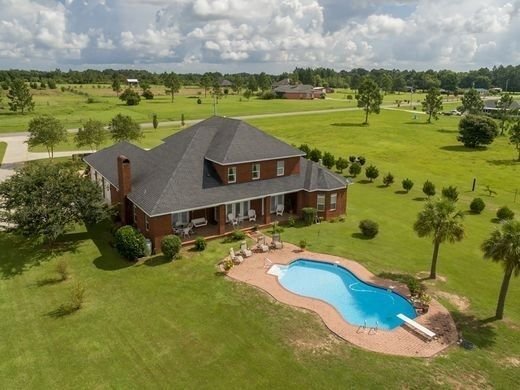
A house surrounded by fields. Space to breathe. Perhaps a few fruit trees, a garden, or simply the pleasure of silence after years of urban life. In Alsace, that dream is especially compelling. The region’s villages, vineyards, and rolling countryside offer charm, history, and a slower pace that appeals strongly to American buyers considering a new chapter in France.
Yet buying a rural property in Alsace is not the same as buying in a city. Even experienced homeowners are often surprised by how different the process can be once they step outside municipal limits. Understanding a few key realities early on can prevent costly mistakes and unnecessary stress.
1. Zoning and Land Use Matter More Than You Expect
In rural France, land use is strictly regulated. A property may be classified as residential, agricultural, or mixed-use, and this distinction has real consequences.
Agricultural zoning can limit what you are allowed to do with the land, even if a house already exists on it. Certain renovations, extensions, or changes of use may require special approvals. In some cases, lenders are more cautious with properties that include agricultural land, particularly if income-generating activity is involved.
Before making an offer, it is essential to confirm exactly how the property and its land are zoned and what is legally permitted.
2. Water and Sanitation Require Careful Verification
Many rural homes in Alsace are not connected to the municipal water or sewer systems. Instead, they rely on private wells and individual wastewater systems.
In France, non-collective sanitation systems must meet strict standards. An inspection is mandatory, and if the system is not compliant, the buyer usually assumes responsibility for upgrading it after purchase. These upgrades can be costly and should always be factored into the budget.
Water quality and reliability are equally important. A property without a dependable water source can quickly lose both comfort and value.
3. Land Size Can Affect Financing
While land is part of the appeal of rural living, it can complicate financing.
French lenders typically focus their valuation on the residential portion of a property. Large parcels of land, additional outbuildings, or agricultural features may not be fully included in the mortgage calculation. This can result in a financing gap, requiring a higher personal contribution from the buyer.
Understanding how lenders assess rural properties helps avoid surprises at the final stage of approval.
4. Appraisals Are More Nuanced in the Countryside
Rural properties do not change hands as frequently as city apartments, which makes comparisons more difficult.
As a result, appraisals in the countryside can come in lower than expected, particularly for unique or highly personalized homes. Appraisers must travel farther and rely on fewer comparable sales, which increases both cost and uncertainty.
Buyers should be prepared for the possibility that the appraised value does not match the agreed purchase price.
5. Insurance and Emergency Access Should Not Be Overlooked
Country living offers tranquility, but it also comes with practical considerations.
Homes located far from fire stations or hydrants may face higher insurance premiums. Access roads, winter maintenance, and emergency response times are all factors insurers take into account.
Before committing to a rural purchase, it is wise to obtain insurance estimates and understand any limitations related to location.
A Final Word on Local Expertise
Buying a rural property in Alsace requires more than enthusiasm and good intentions. It requires local knowledge, careful due diligence, and guidance from professionals who understand the region’s specific rules and realities.
Working with advisors who specialize in rural properties — and who are familiar with financing, zoning, and infrastructure issues — can make the difference between a smooth transition and a difficult adjustment.
In Alsace, rural life can be deeply rewarding. With the right preparation, it can also be a sound and peaceful investment in your future.