
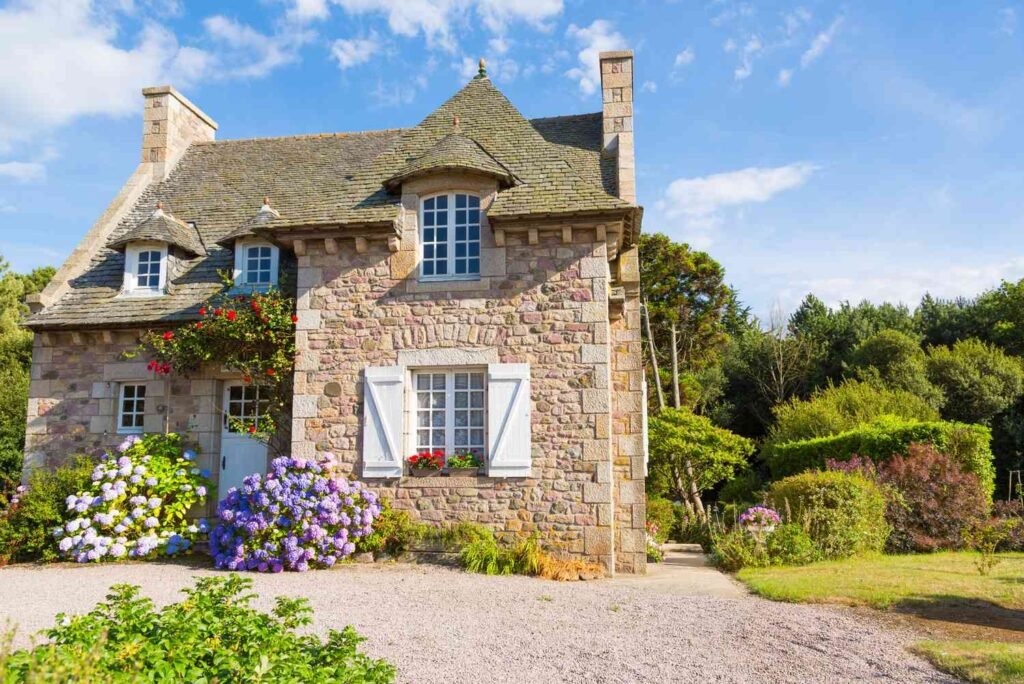
5 Things to Know Before Buying Property Outside Paris
For many buyers, the search for property in Paris often evolves.
What begins as a focus on central neighborhoods—the 6th, 7th, or 16th arrondissement—can gradually expand into something different. More space, more privacy, and a quieter lifestyle become part of the conversation. For some, that leads to considering property outside Paris, whether in the countryside, a village, or a secondary residence setting.
While the appeal is undeniable, buying property outside Paris introduces a different set of realities. The process, risks, and considerations are not the same as purchasing an apartment in the city.
Understanding these differences early can help you make better decisions and avoid costly surprises.
1. Zoning and Land Use Are More Complex Than in Paris
In Paris, property ownership is relatively straightforward—most buyers are purchasing apartments within well-defined residential buildings.
Outside Paris, land use becomes significantly more important.
Properties may include agricultural land, mixed-use zones, or buildings with specific usage restrictions. What appears to be a simple country home may come with limitations on renovations, extensions, or even how the land can be used.
Before moving forward, it is essential to verify:
- Zoning classification
- Permitted uses
- Any restrictions tied to the land or structures
These factors can directly affect both your lifestyle and the long-term value of the property.
2. Utilities and Infrastructure Require Verification
Unlike Paris, where utilities are standardized and reliable, rural properties may depend on independent systems.
This can include:
- Private water sources (wells)
- Septic systems (assainissement non collectif)
- Limited internet or network access
In France, sanitation systems must meet regulatory standards. If a system is non-compliant, the buyer is typically responsible for bringing it up to standard after purchase—often at a significant cost.
Verifying infrastructure is not optional—it is a critical part of due diligence.
3. Financing Can Be More Restrictive
Financing a property outside Paris is often more nuanced than financing a city apartment.
French banks primarily evaluate the residential value of a property. Large plots of land, outbuildings, or agricultural components may not be fully included in the valuation.
This can result in:
- Lower-than-expected loan amounts
- Higher required personal contribution
- Additional scrutiny from lenders
For buyers structuring their purchase with financing, understanding this early helps avoid delays or last-minute adjustments.
4. Property Valuation Is Less Predictable
In Paris, property values are supported by a high volume of comparable sales.
Outside the city, transactions are less frequent, and properties are often unique. This makes valuation more subjective.
As a result:
- Appraisals may vary significantly
- Comparable sales may be limited
- Unique features may not translate into higher valuation
Buyers should be prepared for the possibility that the bank’s valuation differs from the agreed purchase price.
5. Insurance and Accessibility Matter More Than Expected
Rural living offers space and tranquility—but it also comes with practical considerations.
Insurance providers assess:
- Distance from emergency services
- Property accessibility
- Exposure to environmental risks
This can affect both:
- Insurance premiums
- Coverage conditions
Access roads, maintenance, and seasonal conditions should all be evaluated before committing to a purchase.
Paris vs. Countryside: A Strategic Decision
For many international buyers, the decision between Paris and the countryside is not just about lifestyle—it is about structure, risk, and long-term objectives.
Paris offers:
Liquidity and consistent demand
Simpler property structures
Easier financing and valuation
The countryside offers:
- Space and privacy
- Lifestyle flexibility
- Potential for larger properties
Both can be excellent choices—but they require different approaches.
For buyers unfamiliar with how the French system differs from North America, understanding the legal and transactional framework is essential. For a detailed comparison, you can explore how contracts and processes differ here:
1Empress.com
Making the Right Decision with the Right Guidance
Many buyers begin with a clear vision—only to discover that the reality of the market requires adjustment.
Whether you ultimately choose Paris or a property outside the city, the key is approaching the decision with clarity, preparation, and access to the right information.
A structured search process, combined with professional guidance, allows you to evaluate opportunities objectively and move forward with confidence.
Ready to Explore Property Options in and Around Paris?
For buyers considering both Paris and properties beyond the city, having a clear strategy and full market access is essential.
Request a private consultation to begin your Paris property search with a dedicated buyer agent.
Recommended Reads:
- The Biggest Risks International Buyers Face When Purchasing Property in France — buyeragentfrance.com
- How Buying Property in France Really Works for International Buyers — buyeragentfrance.com
- Where to Live in France as an English-Speaking Buyer — buypropertyfrance.com
- Living in France Guide: The Best Places to Live for Expats and International Buyers — homefrance.eu